Most mainstream vans at or below 3,500kg maximum authorised mass can be driven on a full category B car licence, but the licence record and plated vehicle weight—not the model badge—are decisive.
Checked 16 September 2026
NewVan.co
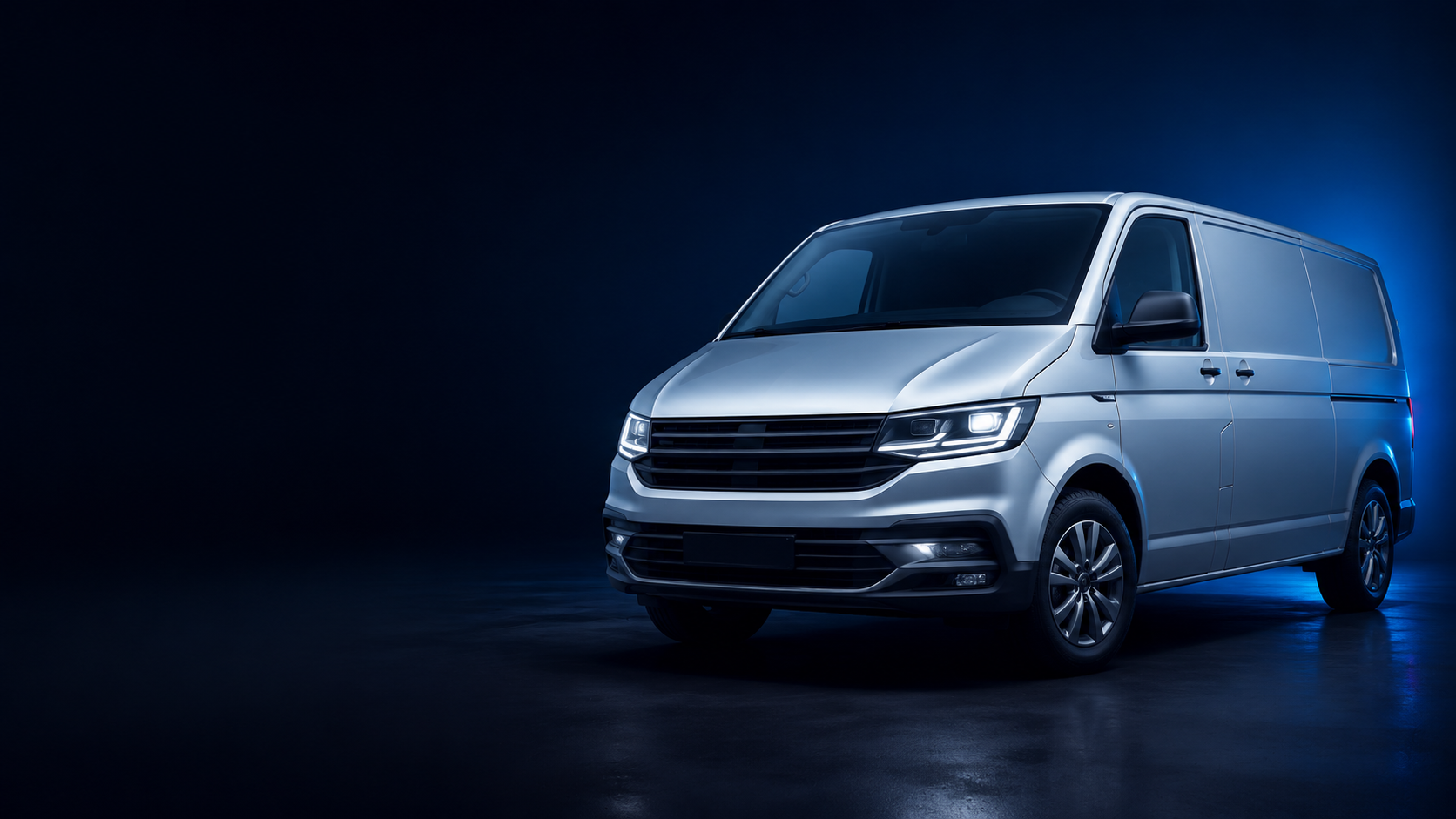
Illustrative van image; check the exact model and specification before buying.THE SHORT ANSWER
NewVan.co verdict
For most buyers choosing a small, medium or conventional 3.5-tonne van, a full category B licence is the normal starting point. Check your own DVLA entitlement and the exact van's MAM before ordering, particularly for heavy conversions, trailers or vehicles above 3,500kg. Buy the smallest derivative that safely completes the work rather than paying for size you cannot legally or usefully exploit.
What matters most
Category B normally covers a vehicle up to 3,500kg MAM with no more than eight passenger seats.
MAM is the permitted loaded weight, not what the empty van happens to weigh today.
C1 or another entitlement may be required above the category B limit.
Zero-emission and trailer rules contain additional detail, so verify the exact combination.
Find the two numbers that matter
First check the categories and restrictions on your driving licence using the official DVLA service. Then find the van's maximum authorised mass—also called gross vehicle weight—on its plate and manufacturer information. A 'large van' can still be a 3,500kg category B vehicle, while an uprated or converted version may not be.
Payload does not change the plated category. Running an overloaded 3,500kg van does not turn it into a legal heavier vehicle; it creates an overweight vehicle.
Heavier and zero-emission vans
Drivers with C1 entitlement can generally drive vehicles between 3,500kg and 7,500kg, subject to the licence's dates and restrictions. Medical renewal and professional-use obligations can also apply, so check the individual record rather than relying on when someone says they passed.
There are specific UK provisions allowing certain category B licence holders to drive eligible alternatively fuelled or zero-emission goods vehicles above 3,500kg. Conditions matter, particularly training, vehicle type and weight, so use current official guidance for the exact case.
Trailers and business use add another layer
Trailer entitlement does not increase the van's own permitted weight. Check category BE, the trailer's MAM, the van's approved towing capacity and gross train weight separately. Commercial driving hours, tachograph or operator rules may apply to some heavier combinations and journeys.
Tell Damian who will drive the van, the licence categories, conversion, load and trailer requirement. That prevents an attractive purchase becoming a vehicle the intended driver cannot lawfully operate.
Usually yes with a full category B entitlement, provided the van's MAM is no more than 3,500kg and no other restriction applies. Check your licence and the exact vehicle.
Can I drive a Luton van on a car licence?
Some Lutons are plated at 3,500kg and can fall within category B, but body and tail-lift weight can leave limited payload. Check the plate, licence and actual loaded weight.
What is MAM on a van?
Maximum authorised mass is the most the vehicle is permitted to weigh when used on the road, including its load. It is also called gross vehicle weight.
Can employees drive my company van on their car licences?
Only if each driver's entitlement covers the exact vehicle and use. The business must also arrange suitable insurance, training and compliance procedures.
NATIONAL AUTOS · BUY YOUR NEXT VAN
Turn the research into the right van.
Damian can check live UK availability, specification, purchase price and suitable mainstream funding (business users only). National Autos currently focuses on vans for purchase rather than leasing.
This is general UK information, not personal tax, legal or finance advice. Vehicle figures vary by derivative and production date; confirm important details before ordering.